
What Is a Martingale Dog Collar
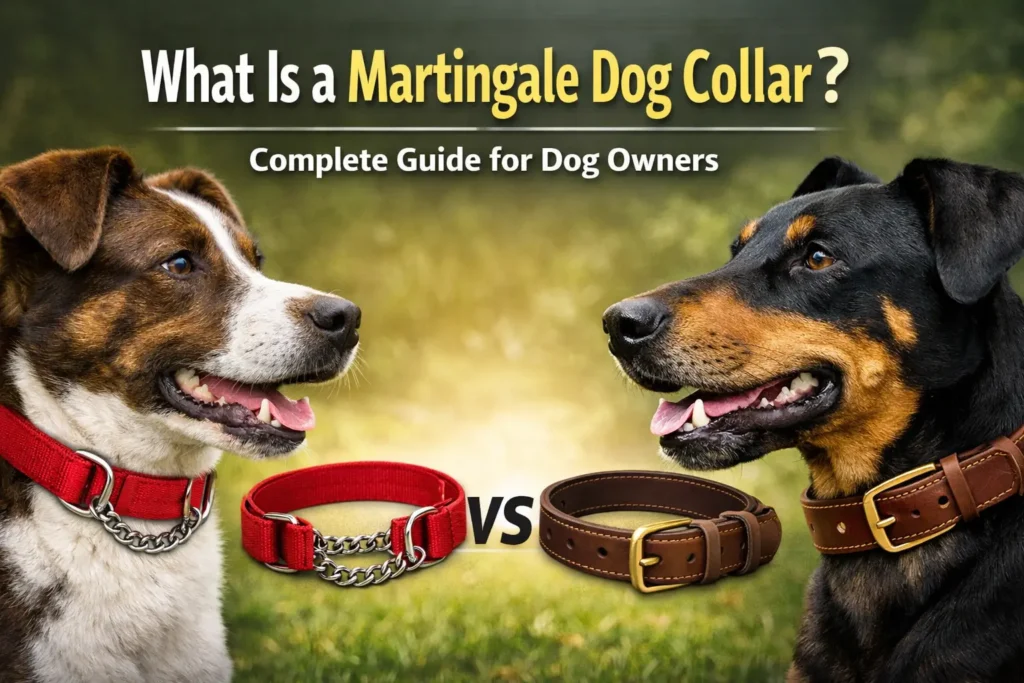
A martingale dog collar is a special type of collar designed to tighten slightly when a dog pulls on the leash, preventing the dog from slipping out of the collar while still remaining safe and comfortable. Unlike choke chains, martingale collars stop tightening at a safe limit, making them a popular choice for training, walking, and controlling dogs that tend to escape regular collars.
Introduction
Many dog owners face a common problem during walks: their dog slips out of the collar and runs away. This is especially common in breeds with narrow heads or energetic dogs that pull hard on the leash. A regular collar sometimes doesn’t provide enough control, which is why many trainers recommend martingale dog collars.
Martingale collars are specifically designed to prevent dogs from escaping while still keeping them comfortable and safe. They gently tighten when the dog pulls but loosen again when the pressure stops. Because of this balanced design, they are widely used by professional trainers, rescue organizations, and experienced dog owners.
In this guide, we’ll explain What Is a Martingale Dog Collar, how it works, and why it’s so effective. We will also compare martingale collars with traditional collars, including leather options, so you can choose the best type for your dog. If you’re still deciding on the right collar for your pet, you may also find this guide helpful:
How To Choose the Right Dog Collar
By the end of this article, you’ll understand the safety, training benefits, control, and comfort that martingale collars can provide.
What Is a Martingale Dog Collar
A martingale dog collar is a specially designed collar that tightens slightly when a dog pulls on the leash. The main purpose of this design is to prevent dogs from slipping out of their collars while maintaining comfort and safety.
Martingale collars were originally developed for Greyhounds and other sighthound breeds. These dogs have heads that are almost the same width as their necks, which makes it very easy for them to back out of regular collars.
The martingale collar solves this problem using a two-loop design.
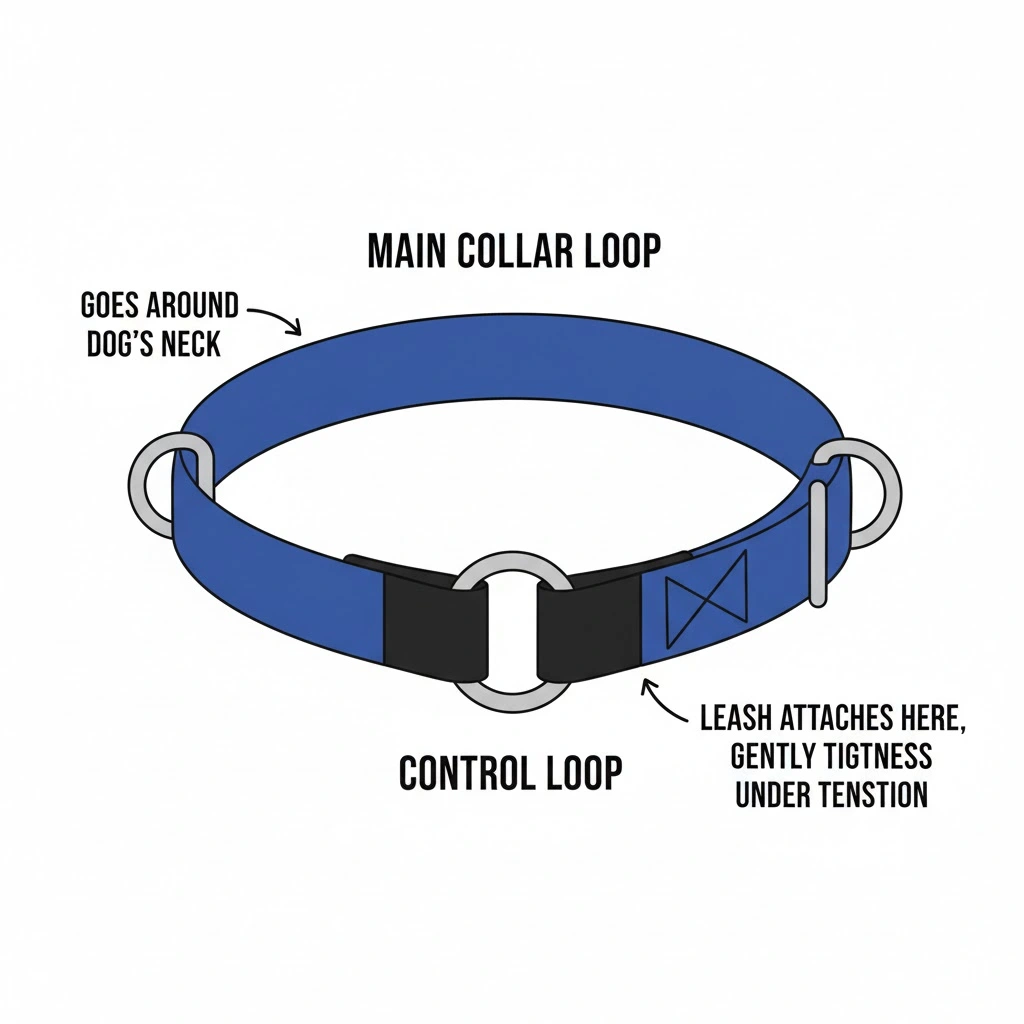
Main Collar Loop
This is the larger loop that goes around the dog’s neck. It sits loosely and comfortably when the dog is calm.
Control Loop
The smaller loop is connected to the leash. When the dog pulls, this loop tightens slightly and pulls the main collar loop snug around the dog’s neck.
This clever design prevents the collar from slipping off while still avoiding excessive tightening.
If you are exploring different collar options for your dog, you might also want to read:
Are Leather Collars Good for Dogs?
This guide explains when leather collars may be a better everyday option.
How Does a Martingale Collar Work?
Martingale collars work using a controlled tightening mechanism that improves safety and control during walks.
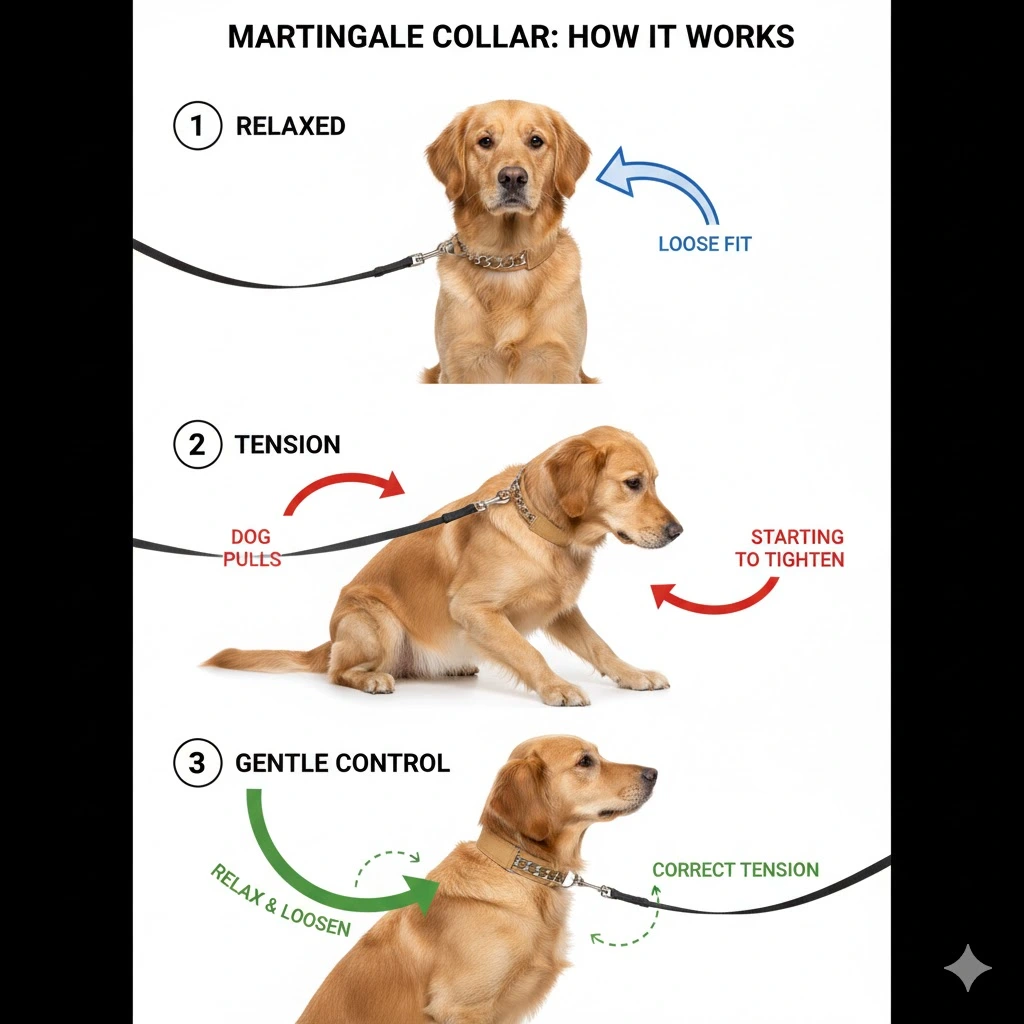
Here’s how the process works step-by-step.
1. The Collar Sits Loosely
When the dog is calm and not pulling, the collar rests loosely on the dog’s neck. This makes it comfortable for everyday wear during walks.
2. The Dog Pulls on the Leash
If the dog suddenly pulls or tries to move forward quickly, the leash creates tension on the control loop.
3. The Control Loop Tightens
The control loop pulls the larger collar loop tighter around the dog’s neck. This tightening discourages the dog from pulling further.
4. The Collar Stops Tightening at a Limit
Unlike choke chains, martingale collars cannot tighten indefinitely. They stop tightening once the collar reaches a set limit.
5. The Collar Loosens Again
As soon as the dog relaxes or stops pulling, the collar loosens again and returns to its comfortable position.
Because of this design, martingale collars are considered much safer than choke chains or prong collars, which can apply excessive pressure to the dog’s neck.
Key Benefits of Martingale Dog Collars
Martingale collars offer several advantages for both dogs and their owners.
Prevents Dogs From Slipping Out
One of the biggest benefits of martingale collars is that they prevent escape.
Dogs with narrow heads can easily slip out of regular collars. Martingale collars help prevent this problem and are especially useful for breeds such as:
- Greyhound
- Whippet
- Saluki
- Italian Greyhound
These breeds are known for their slender necks and heads, making martingale collars an excellent choice.
Provides Better Control During Walks
Dogs often pull on the leash because they are excited or distracted.
Martingale collars help improve control because the dog feels gentle pressure when pulling. This encourages them to slow down and walk more calmly beside their owner.
Better leash control can make daily walks more enjoyable and safer for both the dog and the owner.
Safer Than Choke Chains
Traditional choke chains can tighten indefinitely, which can potentially harm a dog’s neck.
Martingale collars are different because they stop tightening at a safe limit. This controlled tightening makes them a much safer option for training and walking.
Many trainers recommend martingale collars as a humane alternative to harsher training collars.
Ideal for Training
Martingale collars are commonly used during obedience training.
Professional dog trainers, rescue shelters, and training schools often use them because they help dogs learn proper leash behavior without causing discomfort.
The gentle tightening action provides clear feedback to the dog, helping them understand when they are pulling too hard.
Comfortable for Dogs
Despite their training benefits, martingale collars are still comfortable for dogs to wear during walks.
The collar only tightens when the dog pulls, which means it does not constantly apply pressure. This allows dogs to move naturally and comfortably most of the time.
For puppies, however, proper collar sizing is very important. If you’re unsure how to size a collar correctly, this guide can help:
What Size Collar for Puppy?
Choosing the right size ensures both comfort and safety.
Types of Martingale Dog Collars
Martingale collars come in several different materials and styles. Each type has its own advantages depending on your dog’s needs.
Nylon Martingale Collars
Nylon martingale collars are the most common type.
They are:
- Lightweight
- Affordable
- Easy to find
- Available in many colors and patterns
Because of their affordability and durability, nylon martingale collars are a popular choice for daily walks and basic training.
Leather Martingale Collars
Leather martingale collars offer a more premium and durable option.
Many dog owners prefer leather collars because they provide:
- A stylish and classic look
- Long-lasting durability
- Soft comfort for the dog’s neck
High-quality leather collars can also become softer and more comfortable over time as the material breaks in.
If you already own a leather collar, it’s important to keep it clean and well maintained. You can learn how to care for it here: How to Clean a Leather Dog Collar
Proper cleaning can significantly extend the lifespan of your collar.
Chain Martingale Collars
Some martingale collars use a metal chain for the control loop.
These collars provide a bit more control and are often used for stronger or larger dogs that tend to pull harder during walks.
The chain creates a slight sound and sensation when tightening, which can help grab the dog’s attention during training.
However, many owners still prefer fabric or leather options for their quiet operation and comfort.
Martingale vs Leather Dog Collars (Detailed Comparison)
Both martingale collars and leather dog collars are popular among dog owners, but they serve different purposes. Understanding the differences can help you choose the best collar for your dog’s needs, whether it’s for training, walking, or everyday use.
| Feature | Martingale Collar | Leather Dog Collar |
|---|---|---|
| Purpose | Training & control | Everyday wear |
| Tightening | Tightens slightly when the dog pulls | Fixed size |
| Safety | Prevents dogs from slipping out | Comfortable but may slip on narrow-headed dogs |
| Best For | Training and controlled walking | Style, durability, and daily use |
| Material | Nylon, fabric, or chain | Genuine leather |
Martingale collars are designed to help with training and leash control, while leather collars are often chosen for their durability, comfort, and classic appearance.
If you’re exploring high-quality leather options, you can browse our collection here:
https://elitedogcollar.com/product-category/leather-dog-collars/
When to Choose a Martingale Collar
A martingale collar may be the better option in several situations.
Dog Pulls on the Leash
If your dog tends to pull strongly during walks, the gentle tightening mechanism of a martingale collar can help discourage pulling and improve leash behavior.
Dog Slips Out of Regular Collars
Some dogs can easily escape traditional collars. Martingale collars tighten slightly when the dog tries to back out, helping prevent accidental escapes.
Training Stage
Martingale collars are commonly used during obedience training or while teaching proper leash manners. Many professional trainers recommend them because they provide control without excessive force.
When to Choose a Leather Collar
Leather collars are one of the most popular everyday collars for dogs.
Everyday Use
Leather collars are ideal for daily wear because they are strong, comfortable, and long-lasting.
Stylish Appearance
Many dog owners prefer leather collars because they offer a classic and premium look compared to nylon collars.
Identification Tags
Leather collars are perfect for attaching ID tags or nameplates, which help identify your dog if they get lost.
You can explore custom collars with engraved details here:
Durability
High-quality leather collars are extremely durable and can last for many years when properly maintained.
If you’d like to learn more about choosing the right leather collar, check out this detailed guide:
Many experienced dog owners actually keep both types of collars — a martingale for training and a leather collar for everyday wear.
Are Martingale Collars Safe for Dogs?
Yes, martingale collars are generally safe for dogs when used correctly. In fact, many trainers consider them safer than choke chains because they stop tightening at a controlled limit.
However, proper use is important.
Choose the Correct Size
A martingale collar should fit properly around the dog’s neck. A collar that is too loose may not work effectively, while one that is too tight may cause discomfort.
Never Leave It on an Unsupervised Dog
Martingale collars should not be left on dogs when they are unattended, especially during playtime. The extra loop could potentially get caught on objects.
Avoid Tying a Dog With a Martingale Collar
Martingale collars are designed for walking and training, not for tying or tethering dogs.
Check the Fit Regularly
Dogs grow, and collars can stretch over time. Regularly checking the fit ensures that the collar remains safe and comfortable.
Follow the Two-Finger Rule
A simple rule many trainers recommend is the two-finger rule.
You should be able to place two fingers comfortably between the collar and your dog’s neck when the collar is relaxed. This ensures the collar is secure without being too tight.
How to Properly Fit a Martingale Dog Collar
Correctly fitting a martingale collar is important for both safety and effectiveness.
1. Measure Your Dog’s Neck
Use a soft measuring tape to measure the circumference of your dog’s neck. This measurement helps you select the correct collar size.
2. Adjust the Collar
Place the collar around your dog’s neck and adjust it so that it sits comfortably without being too loose.
3. Test the Tightening Mechanism
Pull gently on the leash to check how the collar tightens. The collar should tighten slightly but should not choke the dog.
4. Ensure It Cannot Slip Over the Ears
When fully tightened, the collar should still not be able to slip over your dog’s ears. This ensures the collar prevents escape during walks.
Proper fitting is essential for getting the full training benefits of a martingale collar.
Which Dogs Should Use Martingale Collars?
Martingale collars are especially useful for certain dog breeds and situations.
They are commonly recommended for dogs such as:
- Greyhounds
- Whippets
- Italian Greyhounds
- Dobermans
- Dachshunds
These breeds often have narrow heads and necks, making it easier for them to slip out of traditional collars.
Martingale collars are also helpful for:
- Rescue dogs learning leash manners
- Dogs that pull during walks
- Dogs that have previously escaped from regular collars
Because of their design, martingale collars provide extra security and control for these types of dogs.
When You Should NOT Use a Martingale Collar
Although martingale collars are useful in many situations, there are times when they may not be the best option.
Puppies Without Supervision
Young puppies should not wear martingale collars without supervision because they may chew on the extra loop or get it caught on objects.
Tie-Out Situations
Martingale collars should never be used when tying a dog outside. The collar is designed for walking and training, not for tethering.
Aggressive Pullers Without Training
If a dog pulls extremely hard, proper training techniques should be used along with the collar. The collar alone may not solve the problem.
Martingale Collar vs Regular Dog Collar
Regular dog collars are the most common type of collar used by pet owners, but they function differently from martingale collars.
Tightening
Regular collars maintain a fixed size and do not tighten when the dog pulls. Martingale collars tighten slightly to prevent slipping.
Control
Martingale collars provide better control during walks because they respond to leash tension.
Safety
For dogs that frequently escape collars, martingale collars offer additional security.
Comfort
Regular collars are typically more comfortable for all-day wear, especially when made from high-quality materials like leather.
This is why many owners prefer using a leather collar for everyday use and a martingale collar during training.
Frequently Asked Questions
Are martingale collars cruel?
No. When used correctly, martingale collars are safe and humane. They are designed to tighten only slightly and stop at a safe limit, preventing choking.
Can martingale collars stop pulling?
Martingale collars can help reduce pulling because the dog feels gentle pressure when they pull on the leash. However, proper training is still important for long-term results.
Can dogs wear martingale collars all day?
Most experts recommend using martingale collars primarily during walks or training sessions rather than leaving them on the dog all day.
Are martingale collars better than leather collars?
It depends on the purpose. Martingale collars are better for training and control, while leather collars are better for everyday wear, durability, and style.
Final Thoughts
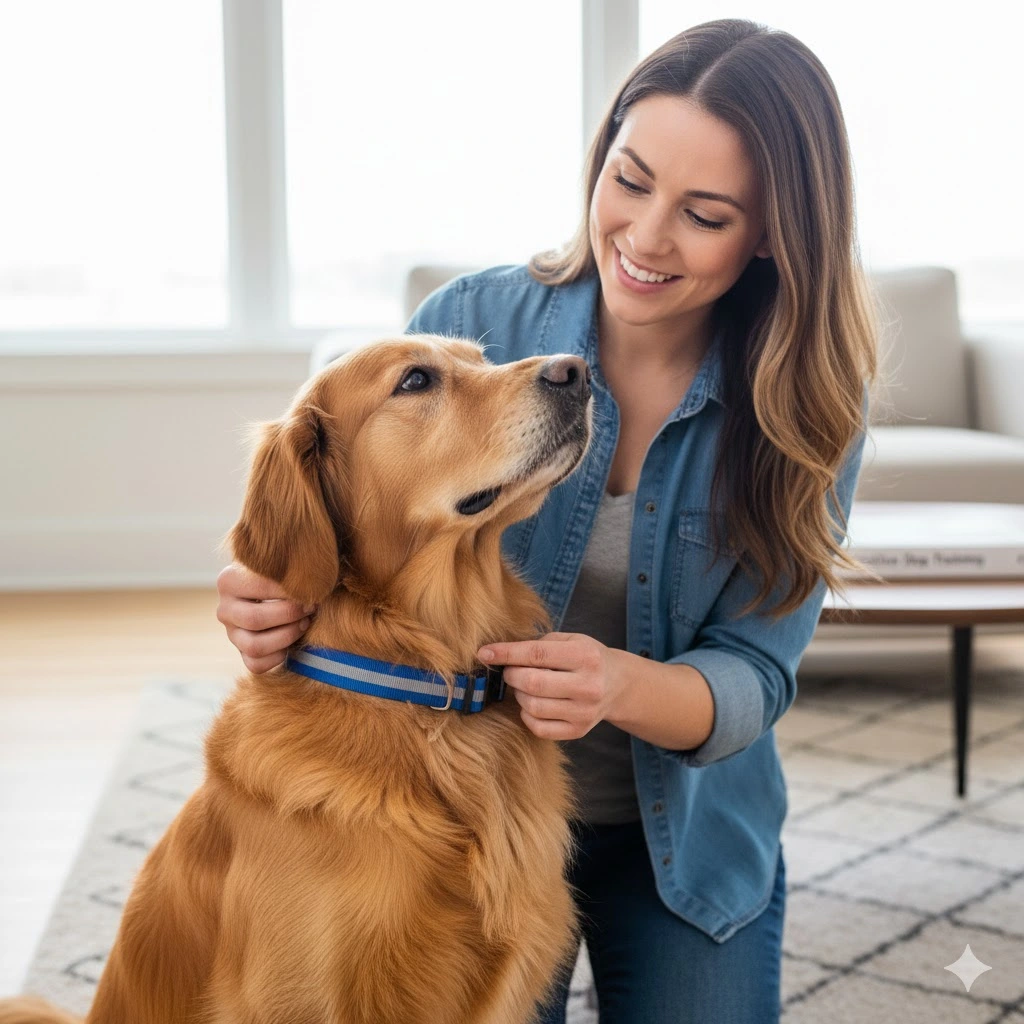
Martingale collars are an excellent tool for training dogs and preventing them from slipping out of their collars during walks. Their unique design provides gentle control while still keeping dogs comfortable and safe.
However, leather collars remain one of the best options for everyday use because they are durable, stylish, and comfortable for long-term wear.
Many experienced dog owners actually use both types of collars — a martingale collar for training and a leather collar for daily wear.
If you’re looking for high-quality leather collars for your dog, explore our collections here:
Choosing the right collar ensures your dog stays safe, comfortable, and stylish on every walk.
You have not enough Humanizer words left. Upgrade your Surfer plan.